

School-Based Mental Health
Supporting students’ emotional well-being where it matters most — in their schools.
Our School-Based Mental Health program brings high-quality mental health services directly into the school environment. By collaborating with educators, families, school counselors, administrators, and community partners, we help students navigate emotional challenges, strengthen coping skills, and thrive academically, socially, and emotionally.
Children have always faced challenges that are, in some ways, similar to those their parents have encountered and, in many ways, different. One constant is the need to pursue well-being for all children, especially as challenges become more complex and nuanced over time. We strive to understand firsthand how children experience these challenges and how best to support their individual needs.
One effective method is to meet students where they are and enhance the resources already surrounding them. Schools serve as a gathering place for the adults who know children best — families, teachers, school counselors, administrators, nurses, coaches, and support staff. When these adults work together, children are more likely to feel seen, supported, and less alone as they navigate their social and emotional worlds.
School-based mental health is a growing field that allows parents, communities, and schools to collaborate around a shared goal: supporting children during moments of distress and celebrating them during moments of growth.
Why School-Based Services Matter
Children and adolescents spend a significant portion of their lives in school. When mental health support is available in a familiar and trusted environment, students may be more likely to receive care earlier, remain engaged in school, and build practical skills that can be reinforced throughout the day.
School-based mental health services can help:
- Reduce barriers to care, including transportation, scheduling, cost, and stigma
- Support students who may not otherwise have consistent access to outpatient therapy
- Improve communication among families, schools, and providers
- Promote early identification and intervention
- Support attendance, engagement, and academic functioning
- Strengthen coping skills, emotional regulation, peer relationships, and resilience
- Help teachers and school staff better understand the needs behind student behavior
Our Approach
Talbot Psychology Alliance uses a collaborative, child-centered, and trauma-informed approach. We recognize that a student’s emotional well-being is shaped by many parts of life, including family relationships, school experiences, learning needs, peer relationships, culture, community, stress, loss, health, and trauma.
Our clinicians work to understand the whole child — not just the presenting symptom or classroom behavior. We aim to provide care that is practical, developmentally appropriate, culturally responsive, and coordinated with the important adults in a student’s life.
Whenever possible, we emphasize:
- Early intervention before concerns become more serious
- Family engagement and caregiver collaboration
- Respectful communication with school staff
- Evidence-informed mental health care
- Strength-based support that honors each student’s abilities
- Coordination with existing school supports, including IEP and 504 teams when appropriate
- Attention to trauma, grief, anxiety, depression, ADHD, behavioral concerns, and adjustment difficulties

Services Offered in Schools
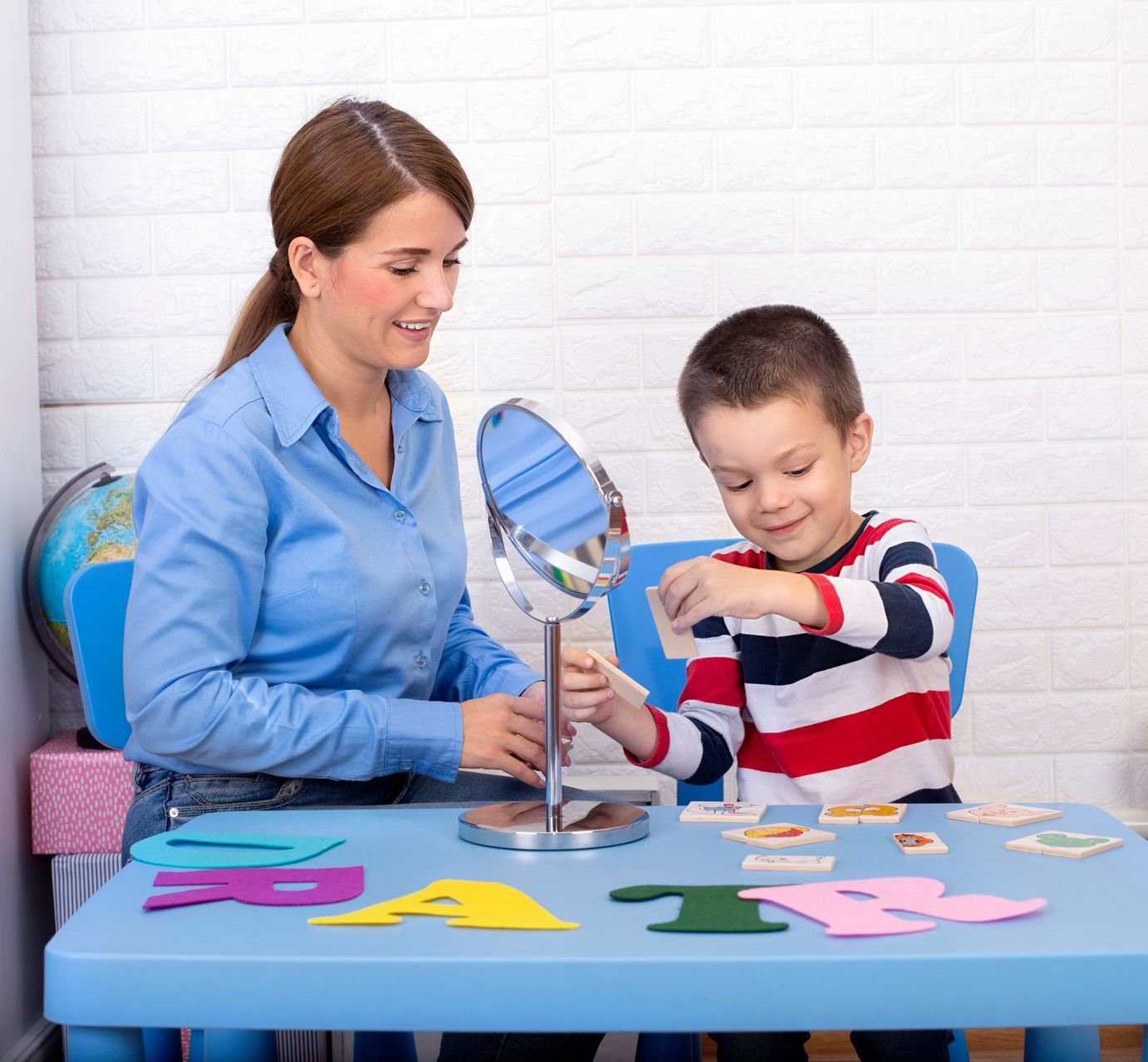
Services may vary depending on the school partnership, student needs, staffing, and consent requirements. Our school-based services may include:
- Individual therapy with licensed or supervised mental health professionals
- Family consultation or family therapy when clinically appropriate
- Small-group support focused on coping skills, emotional regulation, social skills, anxiety, grief, or adjustment
- Classroom observation to better understand a student’s needs in context
- Teacher consultation and support
- Collaboration with school counselors, administrators, nurses, and student support teams
- Participation in IEP or 504-related collaboration when appropriate
- Psychoeducation for families or school staff
- Referral support when a student needs a different type of care
Our goal is not to replace the important work already happening in schools. Rather, we aim to strengthen the support network around students by adding accessible mental health expertise and coordinated care.

Who We Work With
Our current school-based work focuses primarily on elementary school students, with future plans to expand services for middle and high school students as capacity grows.
We may support students who are experiencing:
- Anxiety, worry, fearfulness, or school avoidance
- Depression, sadness, irritability, or withdrawal
- ADHD, impulsivity, or executive functioning difficulties
- Emotional dysregulation or behavioral concerns
- Grief, loss, family stress, or adjustment to major life changes
- Trauma exposure or stressful life events
- Peer conflict, social challenges, or low self-esteem
- Difficulties related to learning needs, IEPs, or 504 plans
How Referrals Work
Talbot Psychology Alliance uses a collaborative, child-centered, and trauma-informed approach. We recognize that a student’s emotional well-being is shaped by many parts of life, including family relationships, school experiences, learning needs, peer relationships, culture, community, stress, loss, health, and trauma.
Our clinicians work to understand the whole child — not just the presenting symptom or classroom behavior. We aim to provide care that is practical, developmentally appropriate, culturally responsive, and coordinated with the important adults in a student’s life.
Whenever possible, we emphasize:
- Early intervention before concerns become more serious
- Family engagement and caregiver collaboration
- Respectful communication with school staff
- Evidence-informed mental health care
- Strength-based support that honors each student’s abilities
- Coordination with existing school supports, including IEP and 504 teams when appropriate
- Attention to trauma, grief, anxiety, depression, ADHD, behavioral concerns, and adjustment difficulties
Confidentiality and Collaboration
Confidentiality is essential to effective mental health care. At the same time, school-based services work best when families, clinicians, and schools communicate appropriately.
Talbot Psychology Alliance follows applicable privacy laws, ethical guidelines, and consent requirements. We share information only as permitted by law, authorized by caregivers, or required for safety. When collaboration with school staff is helpful, we focus on sharing practical information that supports the student while respecting the student’s privacy.
Examples of helpful collaboration may include:
- General strategies that support emotional regulation in the classroom
- Information about triggers, coping tools, or transition supports
- Coordination around attendance, behavior plans, or academic stress
- Safety planning when needed
- Communication with caregivers about progress and ongoing needs
Partner With Us
Talbot Psychology Alliance welcomes conversations with schools, districts, community organizations, pediatric providers, and higher education institutions interested in expanding access to child and adolescent mental health services.
A partnership may include direct student services, consultation, prevention programming, training opportunities, or the development of a supervised practicum or externship experience for graduate students.
We are especially interested in partnerships that:
- Expand access to care for underserved students and families
- Strengthen school-based early intervention
- Support trauma-informed and developmentally appropriate practices
- Build sustainable mental health service models for the Eastern Shore
- Create high-quality training experiences for future psychologists and mental health professionals
Training the Next Generation of Mental Health Professionals
Training the Next Generation of Mental Health Professionals
A core part of our vision is to strengthen the behavioral health workforce on Maryland’s Eastern Shore. School-based practice offers graduate students and emerging clinicians a valuable opportunity to learn how mental health care works in real-world settings.
Trainees may gain experience in:
- Child and adolescent therapy
- School consultation
- Family engagement
- Interdisciplinary collaboration
- Trauma-informed care
- Ethical and culturally responsive practice
- Assessment of social, emotional, behavioral, and developmental concerns
- Working within systems that include families, schools, medical providers, and community agencies
All trainee involvement is structured around appropriate supervision, ethical practice, and the needs of the students and families we serve.
Sponsorship
For many children and adolescents, school is the most consistent and accessible place to be seen, supported, and connected to care. Teachers, counselors, and school staff are often among the first to recognize when a student is struggling. Yet many school communities continue to face shortages of qualified mental health professionals, particularly psychologists and clinicians trained in school-based practice, prevention, early intervention, trauma-informed care, and interdisciplinary collaboration.
Your support helps Talbot Psychology Alliance expand access to care, support student wellness, and build a stronger pipeline of mental health professionals for Maryland’s Eastern Shore.
Sponsorship may help support:
- Therapy services for students with limited access to care
- School-based consultation and prevention programming
- Graduate trainee placements and supervision
- Development of child and family mental health resources
- Outreach to schools and community partners
- Program evaluation and sustainability planning
By supporting school-based mental health, donors help make care more accessible, reduce barriers for families, and invest in the long-term well-being of children and communities.
Request Services, Consultation, or Partnership Information
If you are a parent, caregiver, school representative, community partner, donor, or training program interested in learning more, we invite you to connect with us.
Together, we can support student mental health, strengthen families and schools, and help build the next generation of mental health professionals on Maryland’s Eastern Shore.